Working as an RN in wound care for almost a decade, I’ve seen first hand the damage that unrelieved pressure can do. The Heel Keeper has been tremendously helpful with not only relieving pressure, and pain, but increasing compliance and patient safety. Unlike other off-loading boots/devices on the market, patients can easily transfer and ambulate without having to remove the device. The Heel Keeper also doesn’t have to be removed to change dressings for wound care, which maintains the off-loading and increases ease of use for nurses, patients, and family alike. My personal experience extends beyond patient care. I highly recommend these devices to my patients.


Available July 2026
The Heel Keeper AFO
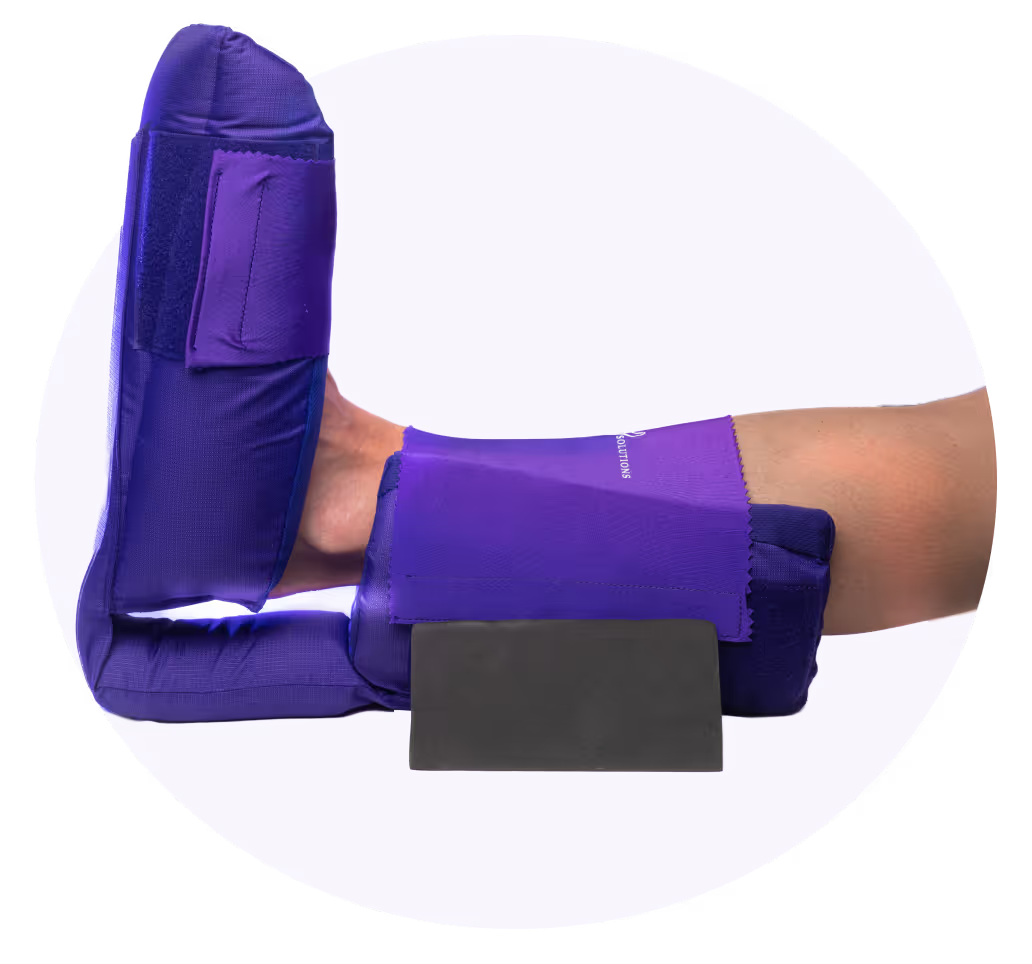
One Device. Two Clinical Phases. Continuous Protection.
Manage plantar flexion contracture while continuously offloading heel pressure in a single orthosis that adapts throughout the patient’s recovery journey.
Hospital/ICU
The Heel Keeper® AFO combines passive dorsiflexion positioning with complete heel pressure offloading to help prevent plantar flexion contractures.

To
Rehabilitation
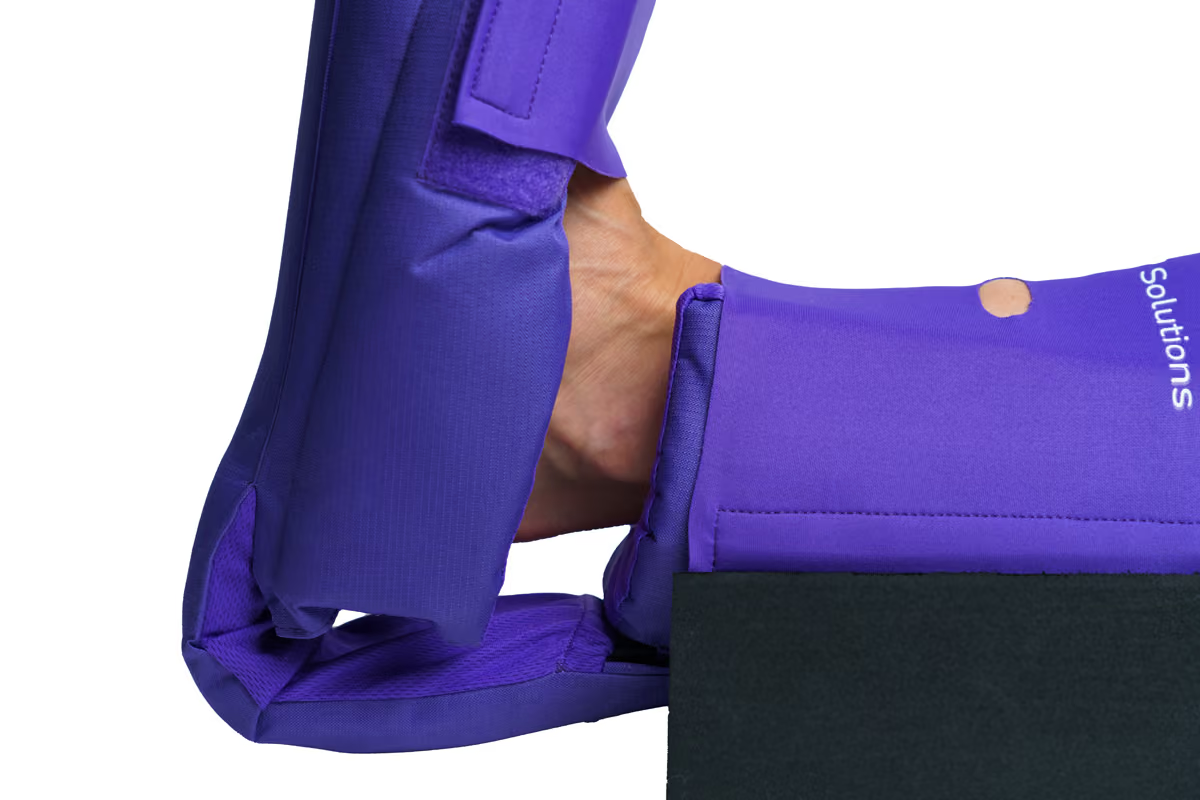
When contracture management is no longer needed, the footplate can be easily removed for continued heel off-loading and pressure injury prevention.
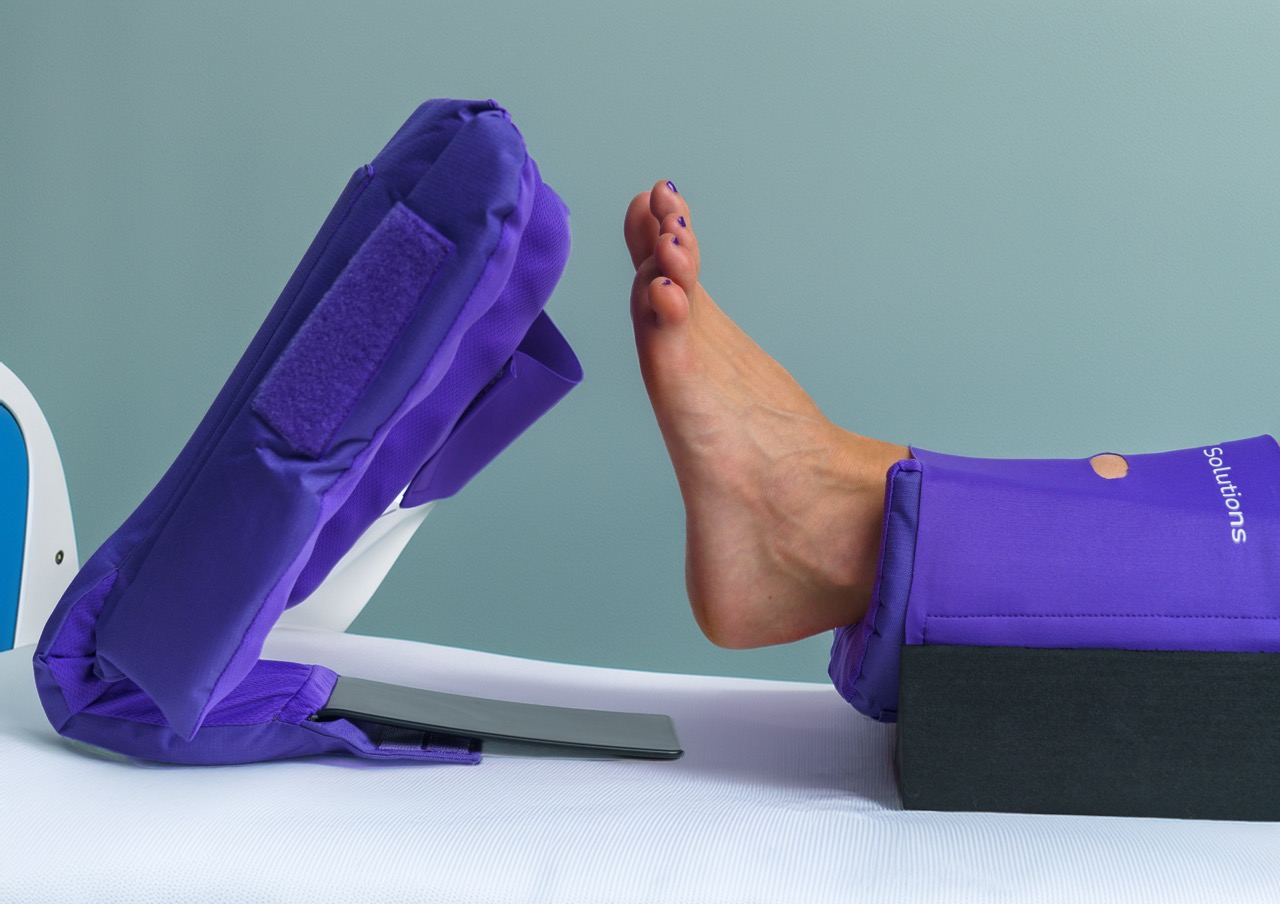
At Home

Two Clinical Configurations.
One Device.
Provides Passive Dorsiflexion Positioning While Offloading the Heel
The Heel Keeper® AFO includes a removable rigid dorsiflexion footplate designed to gently push the ankle into a bent-up position. This helps maintain a dorsiflexed foot position and may help improve foot positioning over time when clinically appropriate.
Clinical Benefits:
- Helps prevent plantar flexion contractures
- Helps maintain the foot in a dorsiflexed position
- Completely offloads the heel, medial and lateral malleoli
- Supports immobilized and neurologically impaired patients

Ideal for:
Acute Care
ICU
Post-Surgical Recovery
Stroke Units
Neurological Rehabilitation
Transition to Long-Term Pressure Injury Prevention
When contracture management is no longer clinically necessary, the rigid dorsiflexion footplate can be removed. The Heel Keeper® continues functioning as a heel pressure offloading device while maintaining the same familiar platform for caregivers and patients.
Clinical Benefits:
- Maintains complete heel suspension
- Continues protection of malleoli and Achilles region
- Supports ongoing pressure injury prevention
- Eliminates need to transition to another device
- Ideal for extended recovery periods
- Allows ambulatory patients to walk with the device in place

Ideal for:
Hospitals
Skilled Nursing Facilities
Long-Term Acute Care
Assisted Living
Home Health
Home Recovery
More Than a Heel Protector
Product comparison
Traditional Offloading Boot
Pressure offloading + contracture management
Generates passive dorsiflexion force
Breathable materials increase keep feet cool to increase patient comfort
Easy to assess off-loading quality
Easy access for dressing changes and skin checks
Indicated For
Management of plantar flexion contractures by keeping the foot in a dorsiflexed position through gentle passive positioning
Reducing the risk of plantar flexion contractures
Reducing the risk of heel, medial and lateral malleoli pressure injuries through heel and ankle offloading
Patients with stroke, SCI, TBI, prolonged bed rest, ICU stays, and neurologic disorders associated with equinus positioning and others at risk of heel pressure injuries
The Heel Keeper® AFO should be used only under the direction of a qualified healthcare professional. Always consult your physician or clinician to determine whether this device is appropriate for your condition.
Product Images
Images of the Heel Keeper AFO


Patients & Physicians Love The Heel Keeper
Hear why 90% of wound care experts would recommend
Ulcer Solutions for their patients.
Hear what others are saying >Ulcer Solutions for their patients.


"I have been a caregiver for over 24 years and own an Adult Foster Care home. I have never come across such an amazing product for pressure sores. Recently, a sweet resident with Parkinson’s developed large pressure sores on both of her heels. The resident’s son had heard of the Heel Keeper and suggested I try it. It was the best product I have ever used for pressure sores. In a short period of time they were gone! Our resident continues to wear the products and has had no recurrence of the pressure sores. I highly recommend and am so glad I discovered this product."
Claudia Persa
GPO or Provider? Contact us for information on samples, bulk orders, partnership opportunities or reimbursement inquiries.
Frequently asked questions
Read some frequently asked questions about the Heel Keeper, pressure injuries, and bedsores.
Read all the FAQs >Is Flexor Plantar Contracture a concern?
All patients who are immobile for a length of time will develop a contracture (stiff joint), whether their ankle is in a neutral position or plantar flexed. The Heel Keeper allows the patient to safely walk and the ankle joint to be moved through the range of motion while in bed which helps prevent contracture in awake patients. If a patient is comatose or completely immobile they will develop a contracture in whatever position the ankle is in. Our soon-to-be released Heel Keeper AFO will provide protection against developing a contracture and can be used for treatment.
Can you safely walk in the keepers?
Yes.
Does the Heel Keeper increase the risk of foot drop?
No. Foot drop is typically caused by an injury to the peronal nerve just below the knee around the fibular head. It can occur because of compression in the area by a cast, cushion, or boot. The Heel Keeper is designed to avoid such compression risks.
Can I wear my compression stockings with the Heel Keeper?
Yes, all Ulcer Solutions products can be worn safely with compression garments.
My caregiver loves your products, but I can't get them at my Nursing Home. Any help?
Patient and caregiver requests are very influential in getting new/different products stocked in various institutions, e.g. hospitals, nursing homes, etc. Please reach out to your administrative/purchasing staff to request that Ulcer Solutions products get added to the available inventory.
Do I need a prescription from my doctor?
No, all of the Ulcer Solutions products are available without a prescription. Please visit our Amazon store by clicking the "Order Now" link found throughout the website.
Is the Achilles Tendon protected in the Heel Keeper?
Yes, the cushion is contoured to provide relief for the Achilles Tendon.
Are the keepers right or left specific?
No, they both fit either leg.
Are the keepers washable?
Yes, we advise hand washing the covers. The cushions can be wiped with soap and water and air dried.
* The device is designed to offload the heel and help maintain the foot and ankle in a neutral position as part of an appropriate patient care plan. Individual outcomes may vary, and use of the device does not guarantee prevention of pressure injuries or plantar flexion contracture. HCPCS code L4398 may describe certain foot-drop splints or recumbent positioning devices. Reference to an HCPCS code does not establish coverage or guarantee reimbursement. Providers and patients should confirm coding and coverage directly with the applicable insurer.